Chris Wang

I build level spaces that turn story context into player-driven decisions.

My primary focus is level design, environmental storytelling, player agency, and spatial gameplay structure. I am especially interested in action, shooter, RPG, and immersive gameplay spaces where exploration, combat pressure, and narrative context work as one system.

Chris Wang
Level Designer / Environmental Experience Designer

Chris Wang

I build level spaces that turn story context into player-driven decisions.

My primary focus is level design, environmental storytelling, player agency, and spatial gameplay structure. I am especially interested in action, shooter, RPG, and immersive gameplay spaces where exploration, combat pressure, and narrative context work as one system.

About

I approach level design as gameplay architecture: a level should not only contain gameplay, but actively shape what the player notices, chooses, risks, and remembers.

Spatial Clarity Readable routes, landmarks, sightlines, and progression signals.
Player Agency Choices that feel intentional, not decorative.
Environmental Storytelling Story conveyed through layout, props, tension, and spatial memory.
Encounter Flow Combat pressure and exploration rhythm built into space.
Iteration Blockout, testing, diagnosis, revision, and documented design decisions.

Level Design Projects

Main portfolio track. Gonggong's Wrath is the current hero project. Two additional whitebox slots are reserved for future deep level-design studies.

Supporting Design Work

These projects support the level-design main track by proving combat awareness and systemic experience design. They should be secondary on the homepage, not hidden.

Design Process

This section is designed for North American level-design recruiters: it explains how each project will be documented once content is filled in.

1

Design Intent

What player experience should this level create?

2

Spatial Plan

Top-down map, flow diagram, landmarks, gates, routes, and sightlines.

3

Playtest Diagnosis

What did players misunderstand, miss, rush, avoid, or exploit?

4

Iteration Evidence

V1 → V2 → V3 changes, with design reasoning and player-experience impact.

Hero Project · Level Design

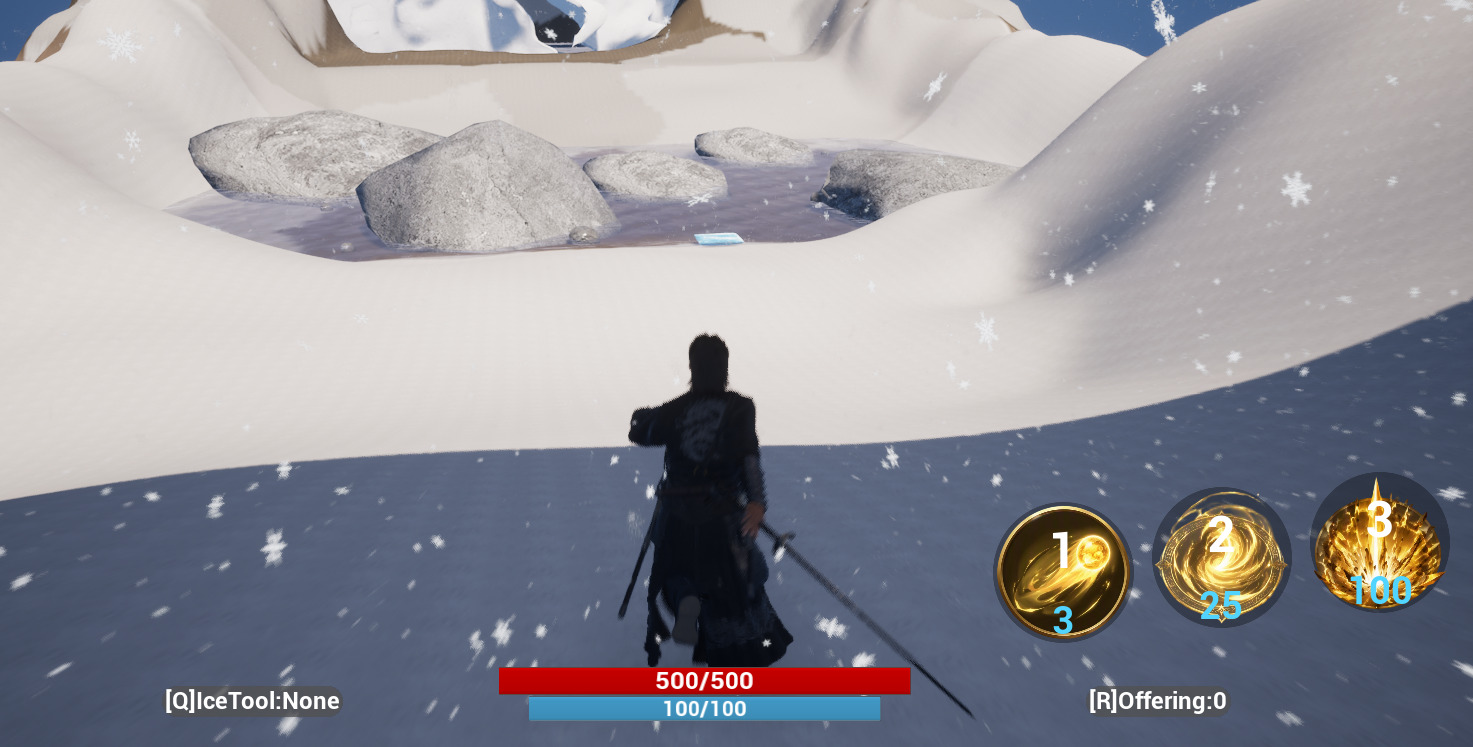
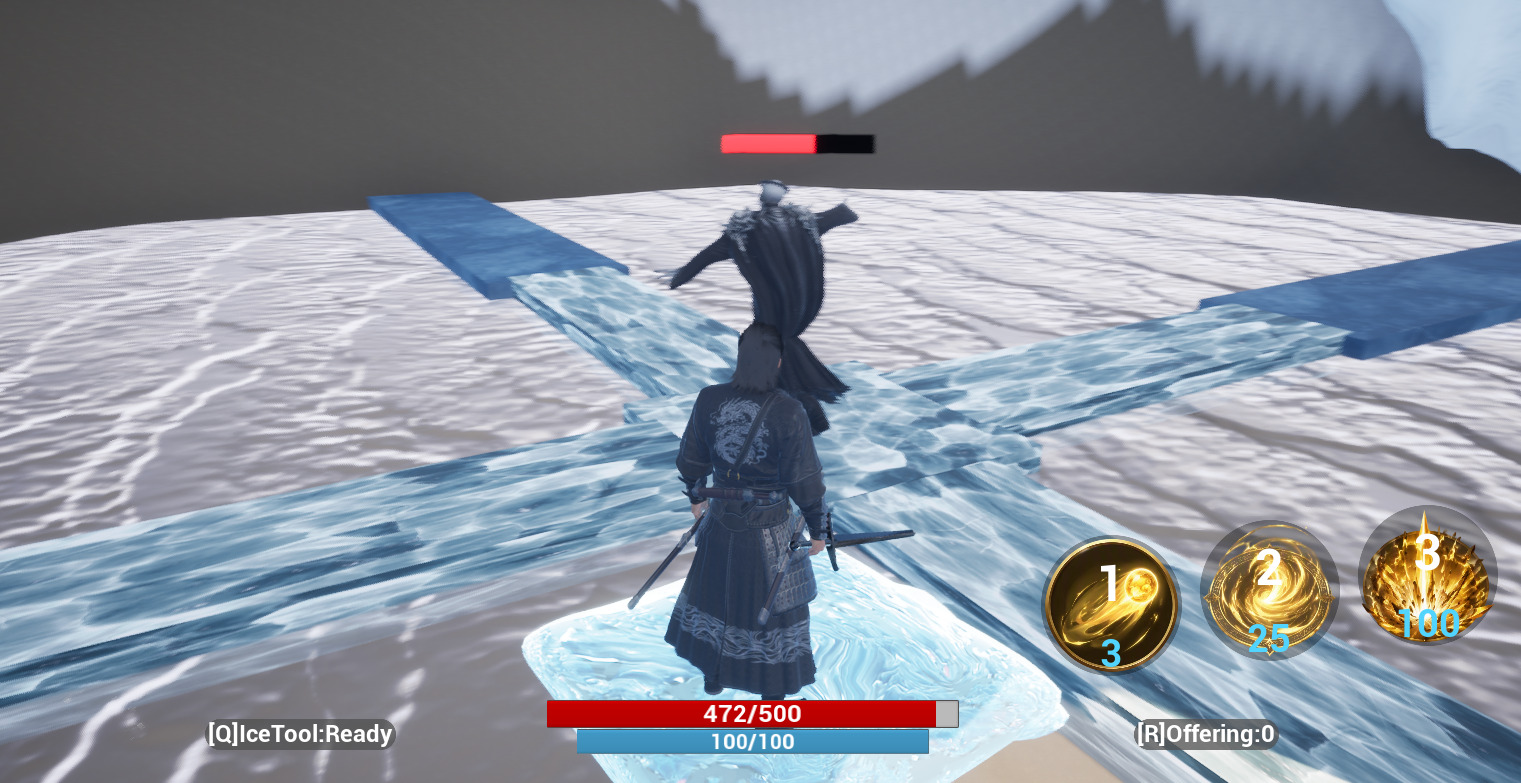
Gonggong's Wrath

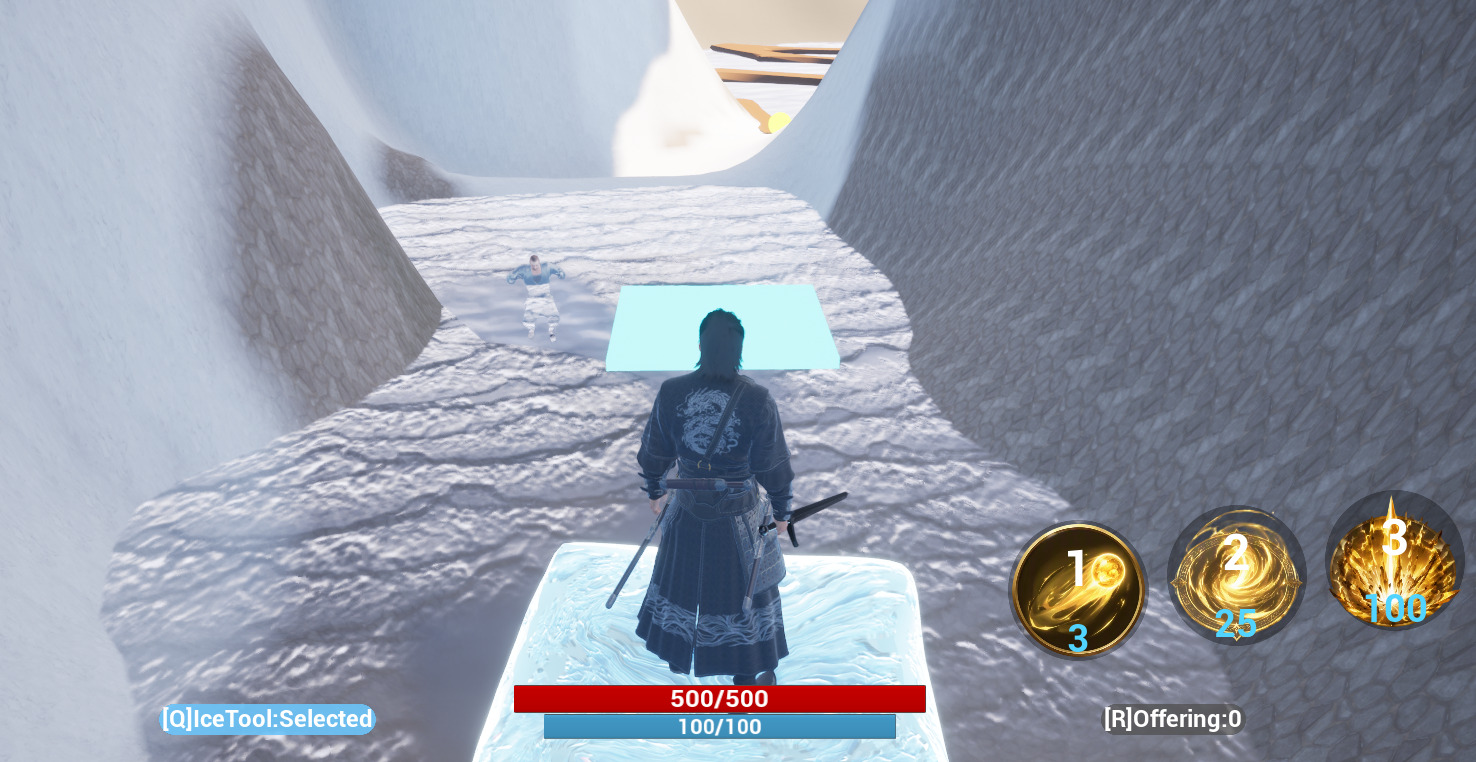
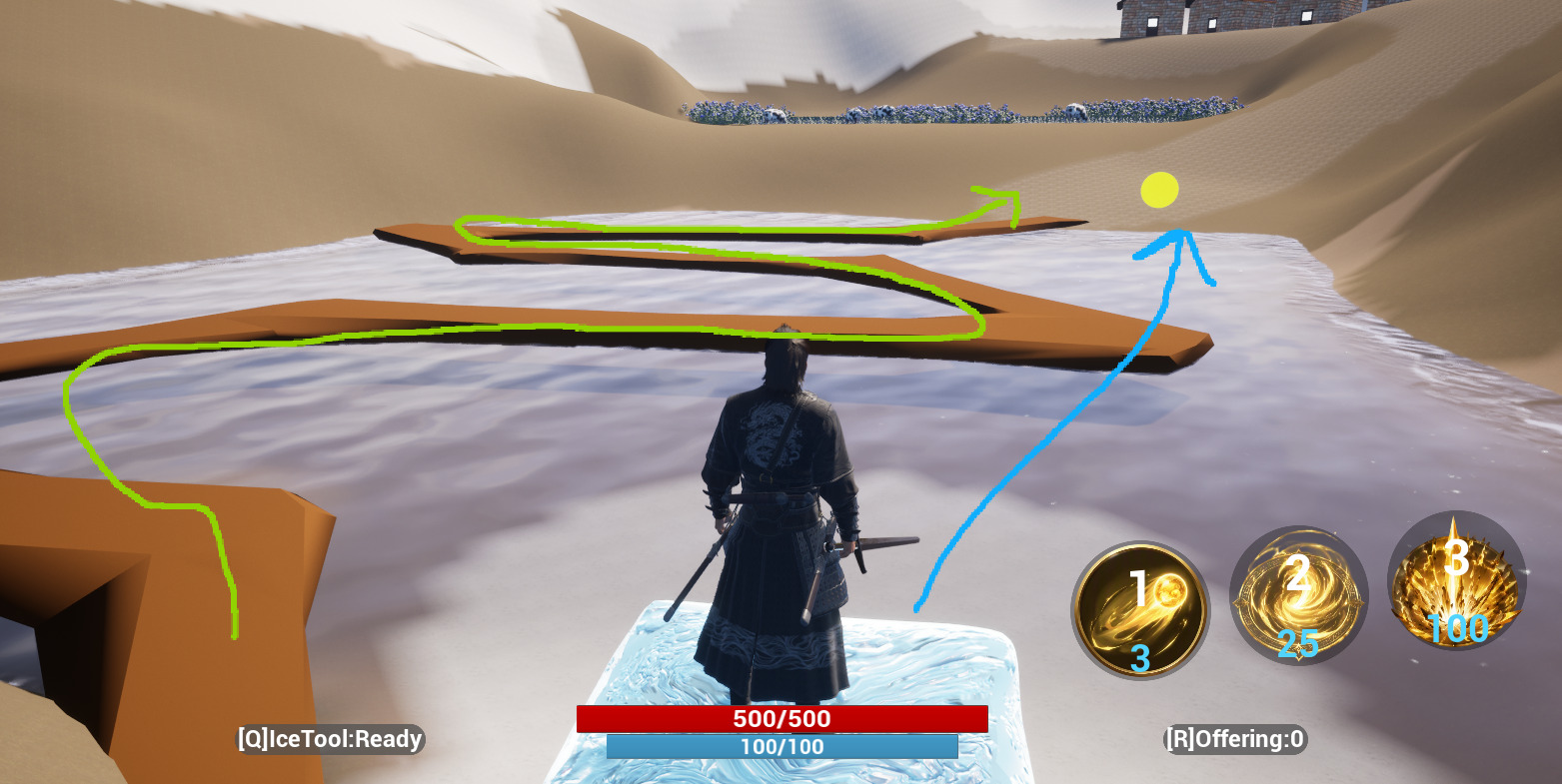
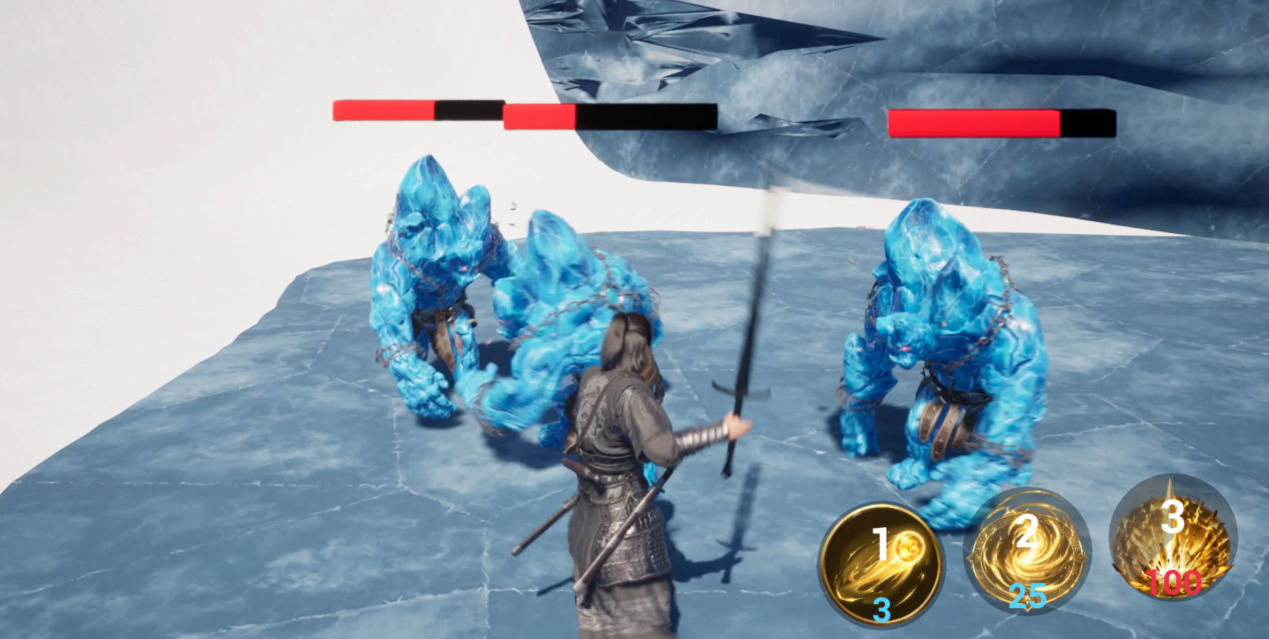
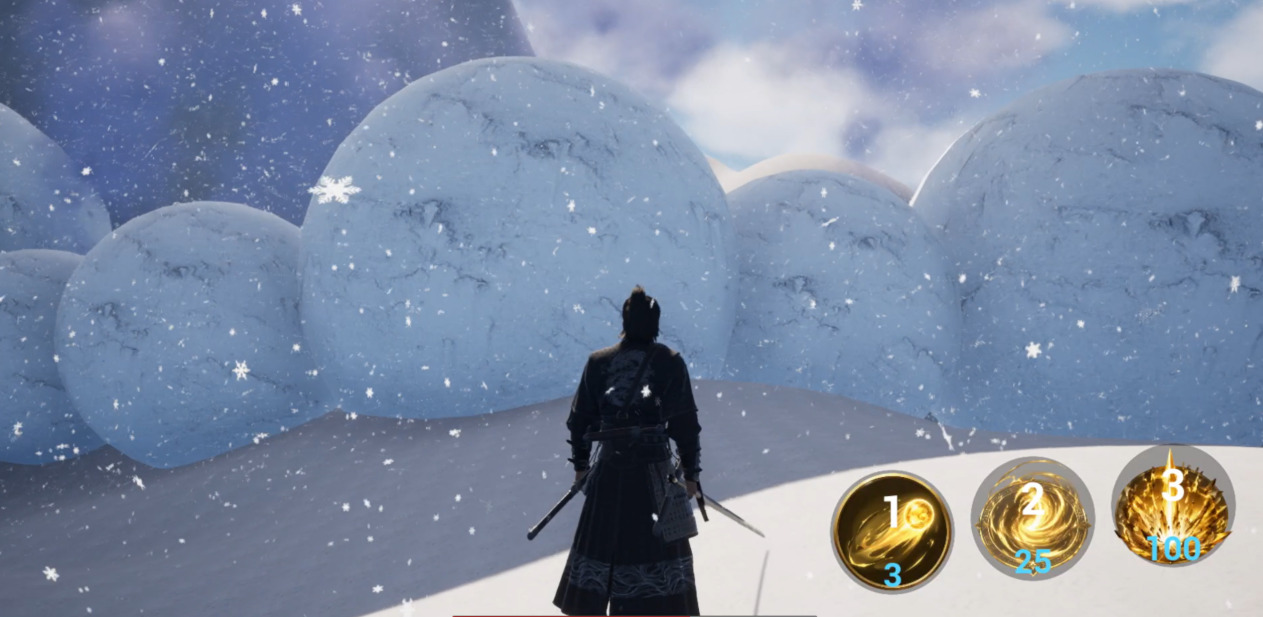
A level-design case study about environmental storytelling, tool-based traversal, player autonomy, and one continuous level arc. This should become the main project for Level Designer applications.

Primary Portfolio Piece Environmental Storytelling Player Agency Whitebox Unreal Engine 5

1. Design Pillar

Placeholder: Explain the core design statement of this dungeon. Example: "The player should understand the world, danger, and available choices through the environment before relying on explicit instruction."

2. Level Flow Overview

Replace with: full level flow diagram / annotated top-down map
Stage Player Experience Goal Level Design Function
Village Low-pressure orientation and narrative setup. Introduce context, destination, and visual anchors.
Cave Tool discovery and safe learning. Teach the ice-block tool through spatial affordance.
Avalanche / River Pressure escalation and route commitment. Turn tool understanding into traversal decisions.
Boss Space Final application of learned spatial rules. Unify environment, tool, threat, and narrative resolution.

3. Player Agency

Placeholder: Document where players can make meaningful choices. Focus on optional routes, alternate uses of the ice-block tool, risk/reward paths, and moments where the player solves space rather than follows instructions.

4. Environmental Storytelling

Placeholder: Explain how the village, cave, broken terrain, water, snow, and boss arena communicate story and danger through layout. Include before/after screenshots and prop/narrative intent later.

5. Iteration Log

Version Problem Found Design Change Player Experience Impact
V1 Placeholder: unclear tool affordance / path readability issue. Placeholder: adjusted layout, landmark, spacing, or hint structure. Placeholder: player understood route or choice faster.
V2 Placeholder. Placeholder. Placeholder.
V3 Placeholder. Placeholder. Placeholder.
Future Project · Level Whitebox

Whitebox Level 02 — Exploration & Choice

Placeholder project for a future deep level-design study focused on spatial readability, optional routes, landmarks, and player-led exploration.

Design Question

Placeholder: How can a level make players feel they discovered a path themselves while still staying readable?

Required Future Content

  • Top-down flow map
  • Route-choice diagram
  • Landmark plan
  • Iteration log
Future Project · Encounter Whitebox

Whitebox Level 03 — Combat Space & Pacing

Placeholder project for a future combat-space study focused on encounter flow, cover logic, enemy composition, flank routes, pressure control, and level pacing.

Design Question

Placeholder: How can space teach threat priority, encourage repositioning, and support multiple combat solutions?

Required Future Content

  • Encounter map
  • Enemy placement rationale
  • Pressure curve
  • Iteration log
Supporting Project · Combat-Aware Level Design

FPS Tutorial Level — Information Creates Advantage

A first-level FPS prototype designed to teach players that gathering information, choosing better positions, and planning movement can create advantages in combat.

FPS Tutorial Level Combat Readability Player Learning UE Whitebox

1. Design Problem

Placeholder: Players often rush into combat without understanding enemy location, route structure, or positional advantage.

2. Experience Curve

Phase Learning Goal Experience Goal
Start Area Basic movement readability. Safe orientation.
First Combat Distance, dash, cover, target priority. Controlled pressure.
Observation Room Information before commitment. Curiosity and control.
Final Combat Incomplete information and careful movement. Tense but fair mastery test.

3. Iteration Evidence

Placeholder: Convert current notes into V1/V2/V3 format with problem, change, and player-experience impact.

Supporting Project · Systemic Experience Design

Blessing

A satirical incremental game that uses behavior loops, feedback systems, UI pressure, and escalating workplace collapse to create a strong systemic player experience.

Systemic Experience Satire Behavior Simulation Feedback Loop

1. Experience Goal

Placeholder: Explain the intended emotional arc: early control, mid-game acceleration, late-stage ethical collapse.

2. System Loop

Placeholder: Add a diagram showing player action → income → hiring/upgrades → employee states → pressure feedback.

3. Why It Supports Level Design

Placeholder: Connect the project to your ability to shape player experience through structure, pacing, feedback, and readable consequences.

Skills

Keep this concise. Recruiters should see a Level Designer first, with supporting combat and systemic design awareness.

Level Design Environmental Storytelling Mission Design Encounter Flow Player Agency Spatial Readability UE5 Whiteboxing Blueprint Prototyping Design Documentation Gameplay Analysis